

The night shift at a local club used to mean a row of beeping machines and a tired attendant checking the ticket printer. Now plenty of punters are watching a live host call out numbers from a studio half a world away, all while betting in Australian dollars. That blend of real-time hosting, video pokie action and AUD pricing has turned into one of the fastest-growing formats on the online gambling market, and it is reshaping how casual players and seasoned regulars approach tournament brackets.
Live host pokie tournament AUD offerings have popped up across several licensed platforms, drawing in crowds who want the pacing of a competition without leaving the couch. The format mixes the familiar pull of a screen-based machine with a hosted leaderboard, timed spins and prize pools quoted directly in Aussie currency. For beginners, the whole setup can feel a bit like learning a new pub game, but the steps are straightforward once you know what the host is actually doing and how the prize pool is split.
How a live host pokie tournament actually runs
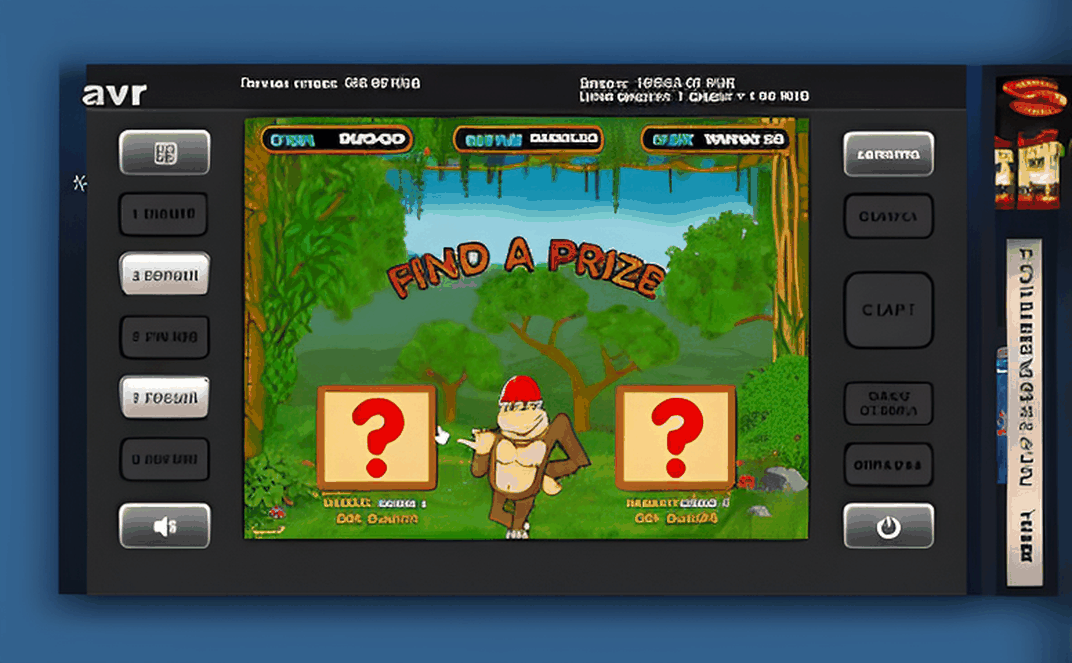
A live host pokie tournament starts with a scheduled session, usually advertised in advance with a start time, a buy-in or a free-entry window, and a clear prize structure. The host greets the room, explains the rules in plain English, and walks players through the lobby before the first spin window opens. In an AUD-priced event, the buy-in, the minimum bet and the prize pool are all displayed in Australian dollars, which keeps the maths simple for locals who are used to seeing their own currency on the label.
During the session, the host tracks a live leaderboard that ranks players by points, total wins or a tournament-specific metric rather than just raw payout. The host will often call out milestones, remind players of the remaining time, and explain when the final ranking gets locked in. That real-time commentary is the main difference between a hosted tournament and a standard multi-player pokie session, because the human element keeps the pace visible and the rules front of mind.
Picking an AUD tournament that suits your bankroll
The first step for a beginner is to match the tournament entry with the bankroll you are comfortable using. Some events run on a free-entry model with optional in-session buys, while others ask for a set AUD stake to lock in a seat. Before you commit, check whether the buy-in covers the full session or just a single round, and look for a clear breakdown of how the prize pool is funded. A sensible rule is to treat the entry like any other night out at the pokies: decide the limit first, then pick a tournament that fits inside it.
It also pays to read the session details on a trusted platform before you join. Guides like where’s the gold online pokies real money can walk you through how AUD-denominated tournaments are structured, what the host actually controls, and which details matter most when you are comparing events. That kind of background helps you spot whether a tournament is built around quick spin bursts or longer play windows, which makes a difference to how your stake is used across the bracket.
Setting up your account and payment method
Most Australian players start by verifying their account details before the tournament goes live. That usually means confirming your identity, linking a payment method and checking that the platform accepts AUD deposits and withdrawals without sneaky currency conversion fees. Local payment options such as POLi, PayID or a straightforward card deposit are common, and they keep the transaction trail in the same currency as the tournament itself.
Once the account is ready, test the deposit flow with a small amount so you know the timing and any processing quirks before a live event starts. A smooth setup means you are not fumbling with payments while the host is counting down to the first spin. If you want a second opinion on how a platform handles AUD transactions and tournament entries, a neighbour review on russh.com can give you a plain-English read on the payment experience from an Aussie user’s point of view.
If anything looks off, you still have time to adjust your approach without panic. For a deeper dive into managing interface quirks, check out this detailed overview. Preparation pays off when the pressure is on.
Reading the leaderboard and host commentary
The leaderboard is the scoreboard for the whole session, and it usually updates in near real time as players hit winning combinations or complete tournament-specific objectives. The host will often explain what is being measured, whether it is total points, biggest single win or a timed spin score, so you can tell whether you are chasing volume or waiting for a bigger hit. For a newcomer, the trick is to watch the trend rather than fixating on a single spin result.
Host commentary is also where the rules get reinforced, especially when the clock is winding down. A good host will call out the final ranking window, remind players that no new entries count after the cutoff, and clarify how any dead heat is resolved. That kind of live guidance is useful because it keeps the tournament transparent, and it gives beginners a clearer sense of when to keep playing and when the result is effectively locked.
Knowing the rules around AUD play and local limits
Australian players should keep in mind that AUD pricing does not change the broader rules that apply to gambling in this country. State and territory laws set the boundaries for how gambling products are offered and advertised, and responsible gambling obligations sit alongside any tournament format. The key point for beginners is that a hosted pokie event still runs under the same harm-minimisation expectations as any other machine play, which means deposit limits, time-outs and self-exclusion options should be available on the platform you choose.
Players seeking to engage with these formats online must verify that the platform holds a valid license from an Australian authority before wagering. Understanding the specific terms of service and payout structures is essential for maintaining compliance with local standards. Comprehensive details on eligible games and regional restrictions can be found at where’s the gold online pokies real money.
Research from Australian universities has led global academic work on poker machine design and gambling harm, and that background matters when you are judging how a tournament is presented. A well-run platform will make the rules easy to find, display the AUD prize pool clearly, and avoid pressure tactics that push players to chase losses. If you want a local read on how gambling policy and consumer protection intersect with online offerings, a neighbour piece on themandarin.com.au can give you a broader view of the landscape from an Australian perspective.
Using responsible gambling tools during a live session
A live tournament can move quickly, so it helps to set your limits before the host starts calling out numbers. Most platforms let you cap deposits, set a session timer or lock yourself out for a break, and those tools work just as well during a hosted event as they do on a solo pokie screen. The practical move is to decide your stop point before you join, then stick to it even if the leaderboard looks tempting in the final minutes.
If you are playing with mates or talking through the session afterwards, keep the conversation focused on the experience rather than the size of any win. That keeps the night social and stops the tournament from turning into a pressure cooker. A friendly approach works best: treat the host event as entertainment with a clear entry cost, and walk away when your pre-set limit hits, win or lose.
What to look for in a tournament platform
- Check that the prize pool and entry costs are displayed in AUD before you commit, so there is no currency conversion guesswork.
- Look for a host format that explains the scoring metric in plain language, not just a flashing leaderboard.
- Make sure deposit and withdrawal methods match what you normally use locally, and confirm there are no hidden FX fees.
- Verify that responsible gambling tools are easy to find and actually work during a live session. Themandarin
- Read how the platform handles ties, session cutoffs and late entries so you know the rules before the clock starts.
Comparing a few Australian-friendly options
Joe Fortune has positioned itself as one of the leaders of the Australian market in the live and tournament space, and that reputation matters when you are weighing up where to sit down for an AUD event. The comparison below keeps the focus on the details that matter for a beginner: AUD pricing clarity, host format, payment options and responsible gambling tools.
| Platform | AUD tournament clarity | Host format | Local payment options | Responsible gambling tools |
|---|---|---|---|---|
| Joe Fortune | Clear AUD buy-in and prize pool display | Live host with timed leaderboard updates | AUD-friendly deposit methods | Deposit limits, time-outs and self-exclusion |
| General live pokie tournament operator | Varies by event, often AUD-denominated | Host-led or semi-automated leaderboards | Depends on licence and region | Standard platform tools, quality varies |
| Local club-style online offering | Usually AUD entry with state-based rules | Host or presenter-led sessions | AUD deposits common | Self-exclusion and limit tools where required |
If you are chasing a hosted session that feels organised and easy to follow, the platform you pick should make the AUD costs obvious and the rules easy to read before the first spin. A clear entry page, a host who explains the scoring, and straightforward local payments go a long way toward keeping the night enjoyable rather than confusing. When you are ready to jump into a live host pokie tournament AUD event, start with a small stake, watch the first minute of commentary, and let the format settle in before you decide how deep to go.